Filipino Senior Care Facilities: A Soothing Breeze without breaking the bank.
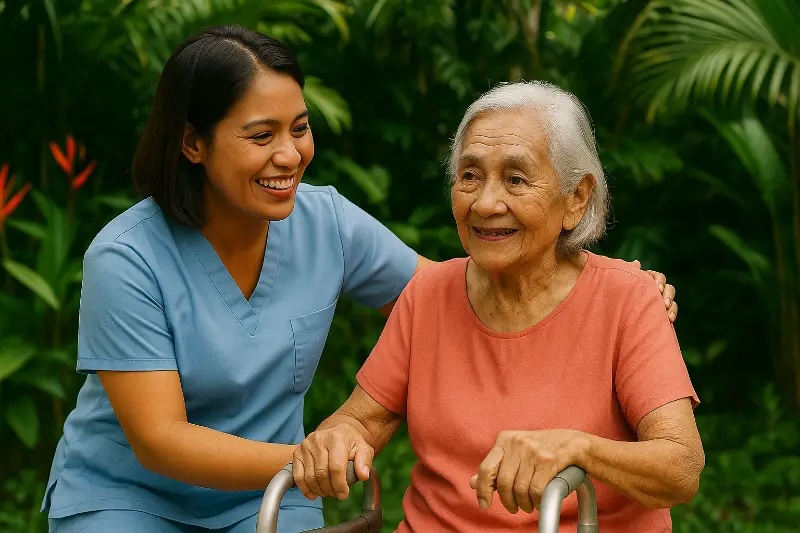
Along with the emotional changes a family must embrace when considering a care facility for a loved one, a huge slice of the pie must be the financial readiness for the broad array of special assistance that they will need.
In an article in the National Library of Medicine, it was revealed that the proportion of the population over 65 years of age is booming and by 2050 there will be an estimate of 1.5 billion older people in the world - an alarming increase from 703 million in 2019. With these demographic changes, people are getting gravely concerned that health care costs will grow laterally. In line with the significant results of various data gathering studies, advocacy for Senior Care Facilities has been promoted. Housing elderly individuals in care facilities can avoid preventable unnecessary hospitalizations due to insufficient support and attention when left alone in someone's own household premises.
When Profits Outweigh Compassion
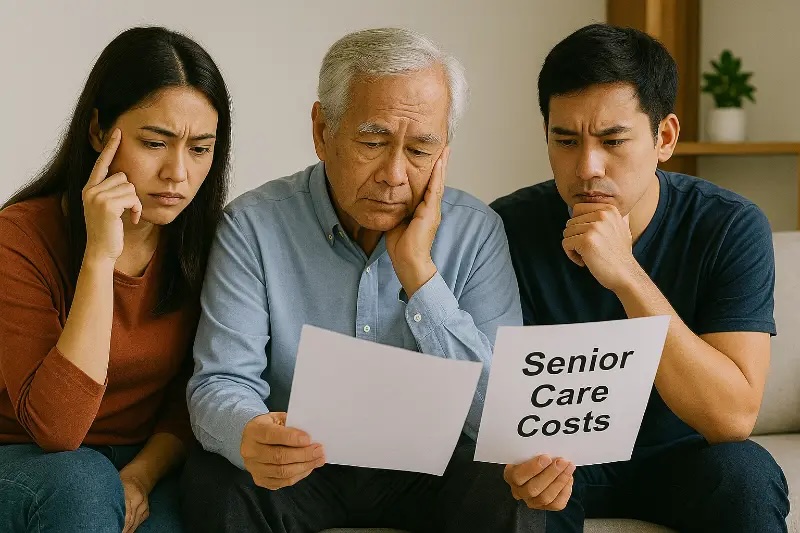
Published by the Guardian, a British daily newspaper and global news organization known for its investigative journalism, Laura Fraser, a San Francisco-based freelance journalist and author of four non-fiction books, including the New York Times bestselling memoir, An Italian Affair, inked her heartaches down in a personal testimonial last May 2025.
Fraser skinned off the realities behind the sweet promises of assisted living - a safe haven who will be a refuge in times of frailty as one gets older. And how often promises are made to be broken.
She laid the statistics that currently about 65% of US elders opted to spend their remaining years with the familiarity of their homes, 13% do not live with their families and the remaining percentage of the age bracket? They glided their ways to care facilities.
With personal strings attached to this reality, she emotionally but factfully narrated how their family ended up getting their dad in a care facility when at age 96, he had a bad fall and had to recover in a Medicare-reimbursed rehabilitation unit. Even when cleared to go home, they were advised that he will require full time skilled nursing to stay with him that will cost like around $1,000 a day. They struggled to find a facility that could live up to their standard of care for their dad, with a fair, decent cost.
US Senior Care Cost Breakdown
To clear the vagueness between Nursing Homes and Assisted Living and Memory Care Units for people with Dementia, she explained that Nursing Homes are funded by Medicare and Medicaid while Assisted Living and Memory Care are mostly out of pocket and only 20% of these are paid for by Medicaid, not including room and board.
- Median cost of care in the US: $5,900 per month
- With ancillary services and skilled nursing care: up to $20,000 per month
- Home care with full-time skilled nursing: $1,000 per day (~$30,000 per month)
This clearly supported why most residents are from the middle to upper class, those who can only afford.
After checking out several senior communities around the proximity, they finally signed him up with a $6,500 a month care package, unaware of the "Plus Plus" with every extra assistance or service their dad will need. Some of these "add ons" - $113 for a daily care plan, $23 for help in medications taking and even incontinence care for $8, diaper not included. Caught off guard, they calculated paying around $11,000 a month and what's more saddening than the undisclosed top ups, still no change in the amount of care, minutes or hour, spent per resident.
Biting fact - The slightest adjustment of care they provide comes with a price.
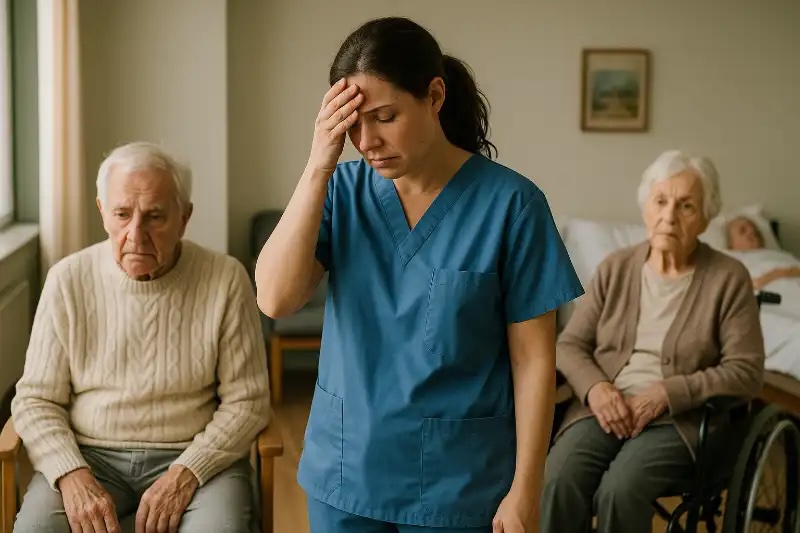
In a conversation with the facility administrator, they found out that another concerning reason why residents do not receive the amount of care they really deserve is the lack of workforce in the facility. The insufficient number of nursing staff scars the quality of care in the facility for they are the forefront of care, they do the hard work, they give out all the efforts but get the least cut. But with the monthly collections they make from each resident, in their case $11,000, why can't they hire more compassionate hands for these weak residents wanting attention? It all boils down to money as according to her research, 56% of these facilities are chain-affiliated ventures - purely meaning business. Maybe it will make a significant difference if the people on top of the chain are medically inclined rather than those with business degrees.
She even mentioned the high possibility of relocating to another country to retire and be taken care of. She shared that a friend of hers, living in Mexico takes care of a husband but still requires additional specialized attention. There she was able to hire caretakers at her home, paying less per week for a 24 hour care that is surprisingly slighter if not equivalent to the amount they were paying for her dad in Colorado. She first hand saw the quality of care her friend's husband is getting when she visited her - from dressing, grooming, total body care and what's priceless is the companionship he was offered.
She admitted that a decision like this can be a crisis for families or individuals who are not comfortable with leaving the familiar and are anxious with culture barriers, but firmly voiced out that it will be her plan, to be in a place where she will be treated as a family member and not just a mere part of an income generating unit.
She ended the narrative with how her father passed. A seemingly fairytale life but ended tragically.
Piercing stories like this though unacceptable, is alarmingly creeping its way to be part of the norms, leaving hopeless families with no choice.
But reading between the lines, some advocates paved the way to seek resolution and stop the bleeding from this growing crisis - creation of Senior Care Facilities outside their native lands.
Tropical countries in Southeast Asia are gradually entering the scene, one of which is the Philippines, offering its islands to house foreign residents, unfamiliar borders but radiating a feeling of belongingness.
Filipino Nursing: A Ray of Sunlight

Mabuhay!
Well wishes - a welcoming expression once you set foot in the Philippines.
Known for their hospitality, Filipinos naturally exude traits of warmth and subtleness towards other people from different cultures. They traverse language and culture barriers to understand and deeply connect with others. More than just the casual, friendly chats that Filipinos can offer, they tend to unknowingly go beyond the mile when their help is needed. This characteristic makes them perfect fit for healthcare jobs - physicians, caregivers, nurses.
Filipino Nurses in the US Healthcare System
In October last year, the National Institutes of Health (NIH) featured how Filipino Nurses were recognized as vital contributors in shaping the Health Care System in the United States.
- A significant 4% of the US Healthcare workforce is comprised of Filipino nurses
- Consistently summoned during healthcare crises
- Often designated to understaffed facilities with tough working environments
- Continue to provide excellent, genuine care despite compensation and social treatment differences
- Live up to the maxim: "Alagang Malasakit" (Care with Compassion)
While most Filipino nurses take flight to seek greener pastures in foreign lands, fortunately, the Philippines still has enough to cover for the needs of the local patients.
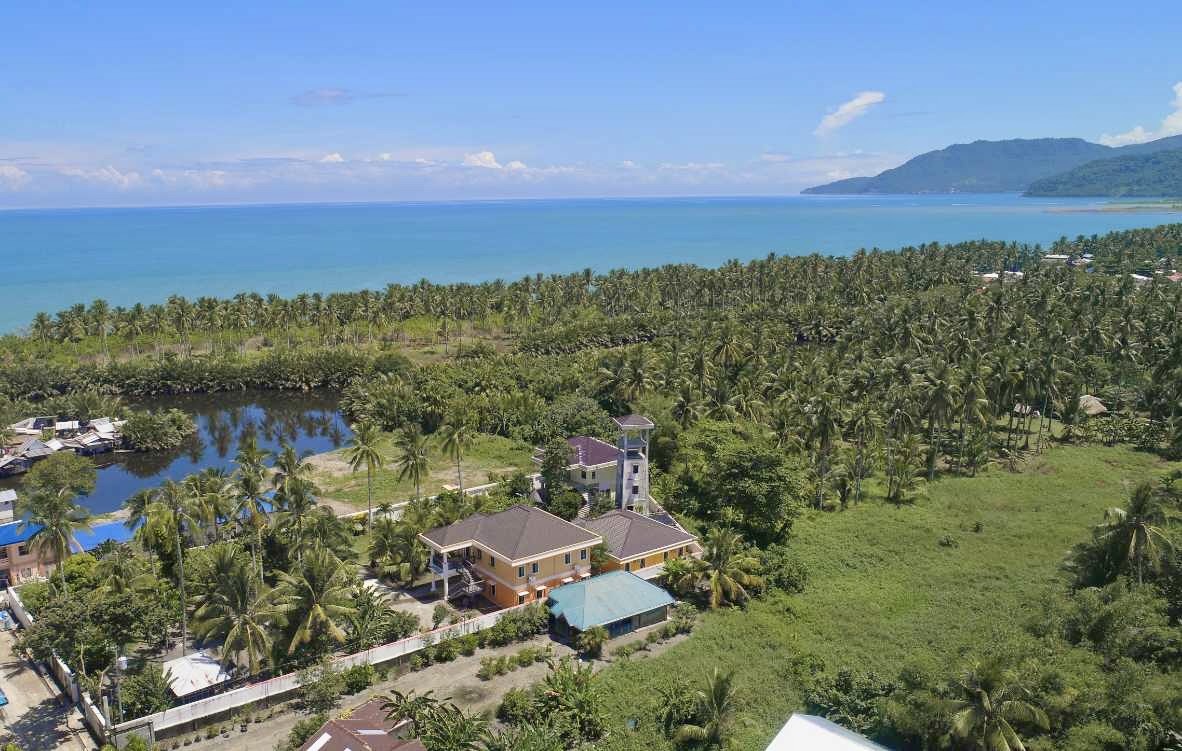
Philippine Senior Care Facilities: A Different Approach
As Senior Care Facilities constantly emerge here in the country, new doors are opened for work opportunities especially for Filipino nurses and caregivers. In contrast with the hospital environment, nurse-to-resident ratio in Care Facilities brings forth much focused and individualized care for the residents.
Philippine Care Facility Features
To ensure the quality of service they provide, facilities are built with limited number of beds to house residents, highlighting the enhancements of amenities:
- Spacious living areas with air conditioner units
- Gated swimming pools for recreation
- Therapy rooms
- Mini lots for gardening activities
- Lounge area for socialization
- Vast landscape for meditations and self reflection

Ultimate Goal: "Alagang Abot Kaya" The Filipino word "abot kaya" which means affordable or within reach is the kind of assistance that all Senior Care Facilities in the Philippines aim to provide, without compromising quality and efficiency.
Care Packages and Affordability
Individualized care for residents are categorized based on different factors and results collectively gathered through medical assessments and resident and family interviews. To have a glimpse of some Care Packages that these facilities offer, a roster is enlisted as follows:
- Individual Long Term Care
- Dementia Care
- Respite Care
- Memory Care
- Rehabilitation Care
- Assisted Living
Philippine Care Facility Costs
Rate ranges from $1,000 to $4,000 with service add-ons
Critical difference: Regardless of which package a family or resident decides to get, even the most affordable, patient-centered care remains the topmost goal of each facility.
- Nurse/caregiver to resident ratio: 1:3 if not 1:1
- No hidden "plus plus" fees for basic care
- Transparent pricing
- Comprehensive care included in base price
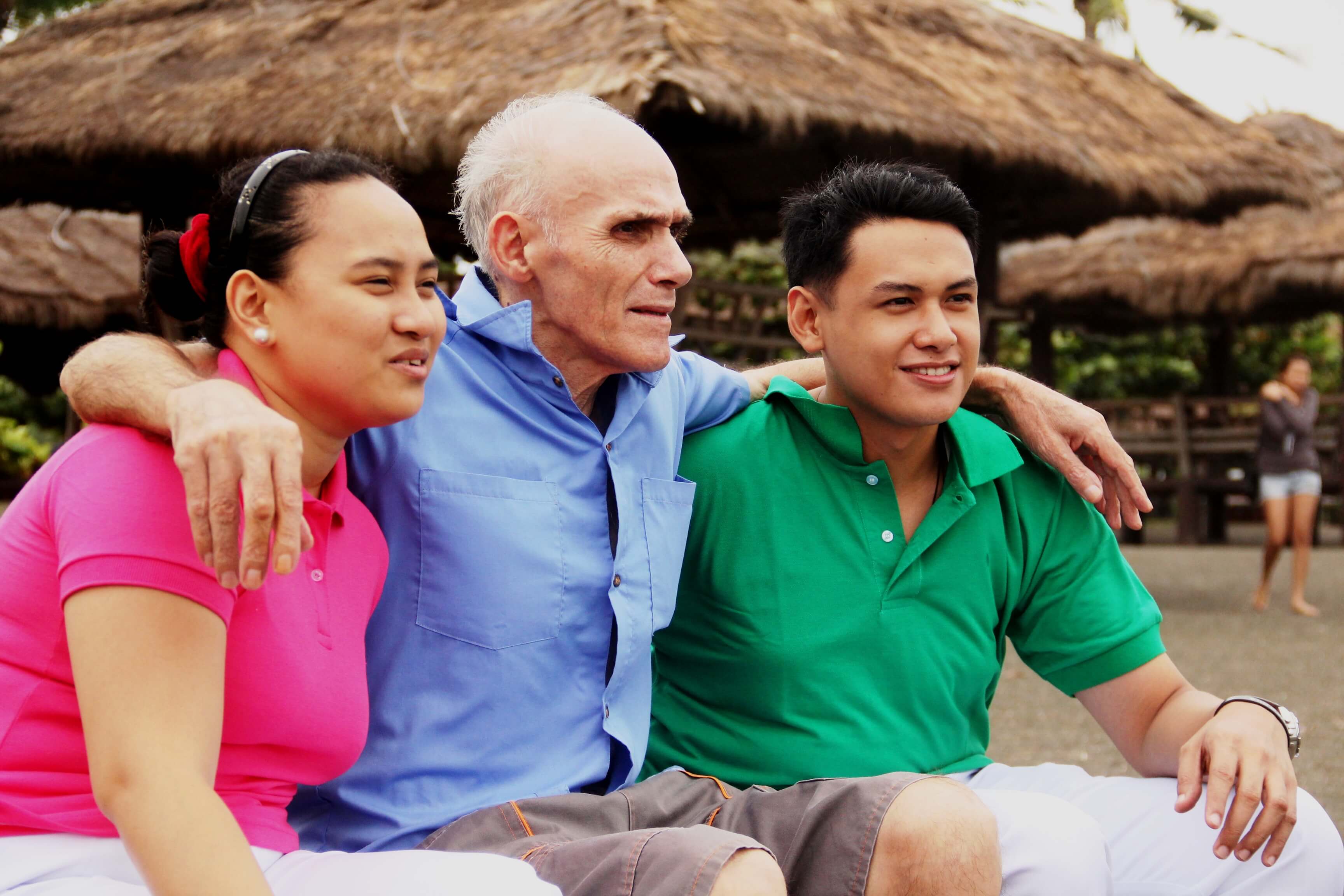
Given that the Philippines is an island abundantly bestowed with serene arrays of nature which exude a sense of peace, residents can chase sunsets whenever they desire. They can get lost in the leaves and the music of tranquility.
Dignity in Care
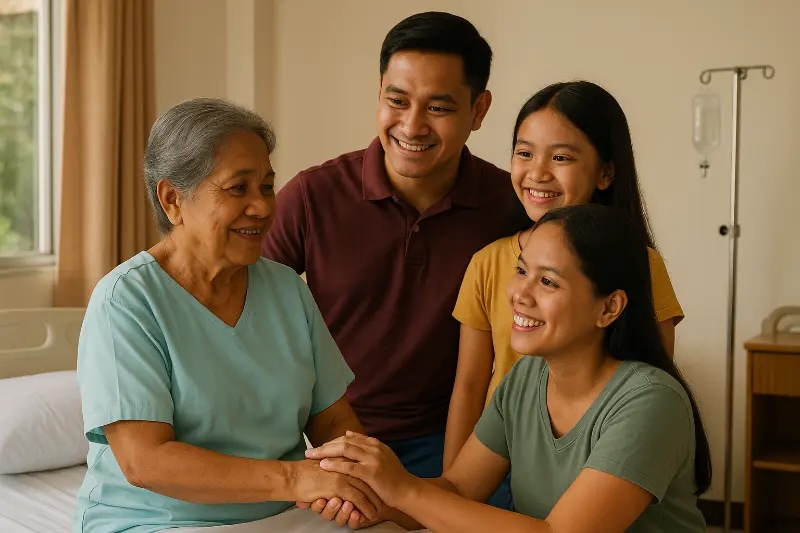
Finding a home where the residents can feel dignified for all the years they lived - whether as a professional, a person of the church, a parent - is the least a family can do to honor them.
Let them hum the rhythm and melody for the last verses of their own songs called "Life".
Conclusion
The concept of "Alagang Abot Kaya" (affordable care) in the Philippines offers a compelling alternative to the increasingly expensive and impersonal care systems in many Western countries. With exceptional nurse-to-resident ratios, transparent pricing, beautiful natural settings, and the renowned warmth of Filipino hospitality, Philippine senior care facilities provide high-quality, compassionate care that honors the dignity of every resident.
For families struggling with the financial and emotional burden of senior care, exploring options in the Philippines may offer not just affordability, but a return to truly person-centered care where residents are treated as family members, not revenue units.